
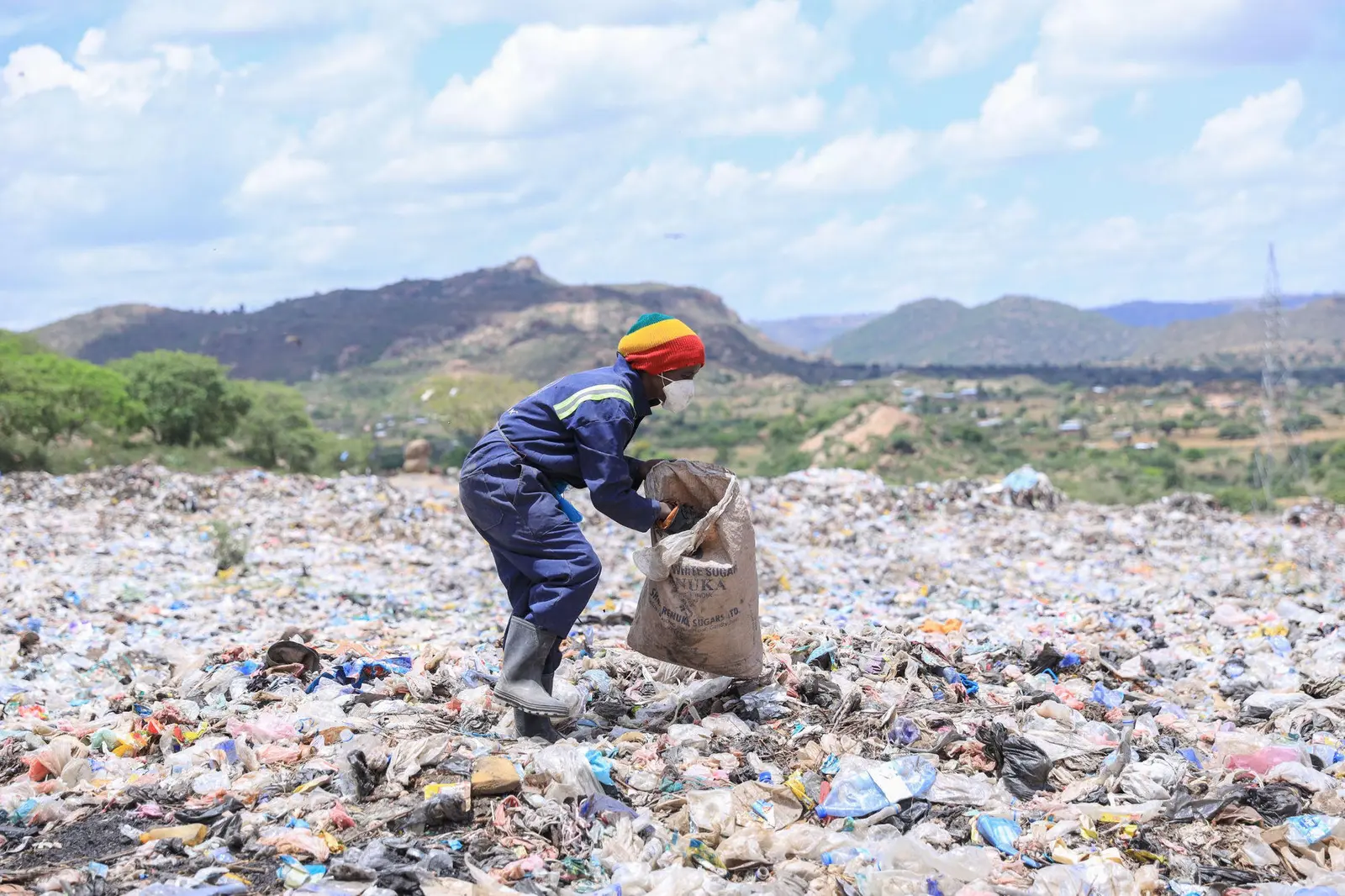
In Harar, hundreds of women earn dignified incomes collecting plastic through Kubik’s equitable supply chain — feeding a domestic plastics market long reliant on imports, and putting the city on a path to zero plastic waste.
In 2022, Harar was sending 20 tons of garbage a day to an open landfill, and its waste collectors — nearly all women — worked without protection or stable pay. In May 2024, Kubik and the Harar City Administration launched a 10-year partnership to change that: make Harar plastic-waste-free within three years, by turning waste pickers into respected, well-paid suppliers.
Today, 621 women are engaged as suppliers with incomes rising about four times, supported with safety equipment, uniforms, transport, and a graduation path into entrepreneurship. Around 75% of the city’s daily plastic — about 1.8 tons a day — is now diverted from the landfill, roughly 30% of the legacy plastic has been recovered, and the partnership supports 200+ additional jobs across collection, logistics, and plant operations.
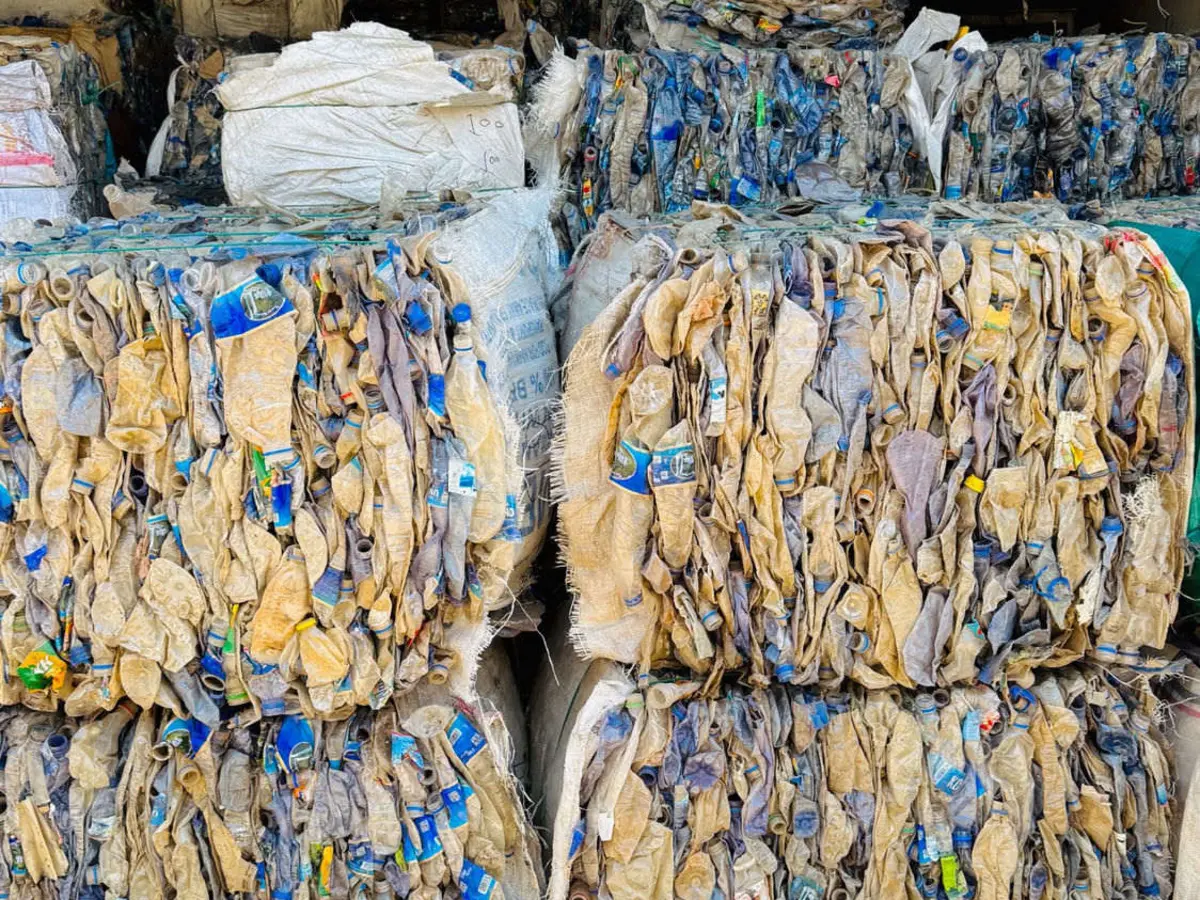
Every kilogram is traced. Kubik built a digital platform that follows plastic from collection through sorting, warehousing, and manufacturing — and is pursuing Verra plastic-credit certification, with proceeds reinvested in the city. The recycled material feeds a domestic plastics market that has long depended on imports, keeping value in Ethiopia.
The results add up: nearly 700,000 kg of CO₂ equivalent avoided, and 18 social structures already built with Kubik materials — embedding 100,000 kg of recycled plastic. Harar has become a model, and the playbook is moving next to Dire Dawa and Jijiga.
Build with us.
Talk to Kubik about bringing low-carbon construction to your city, community, or project.